
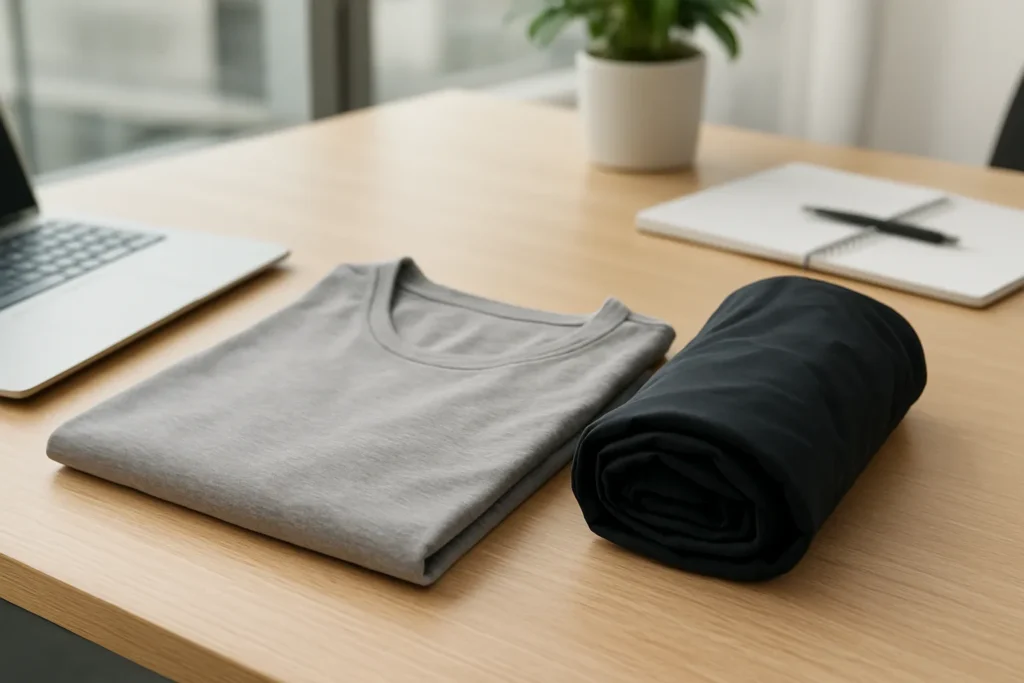
The Benefits of Lightweight Activewear for Corporate Wellness Programs
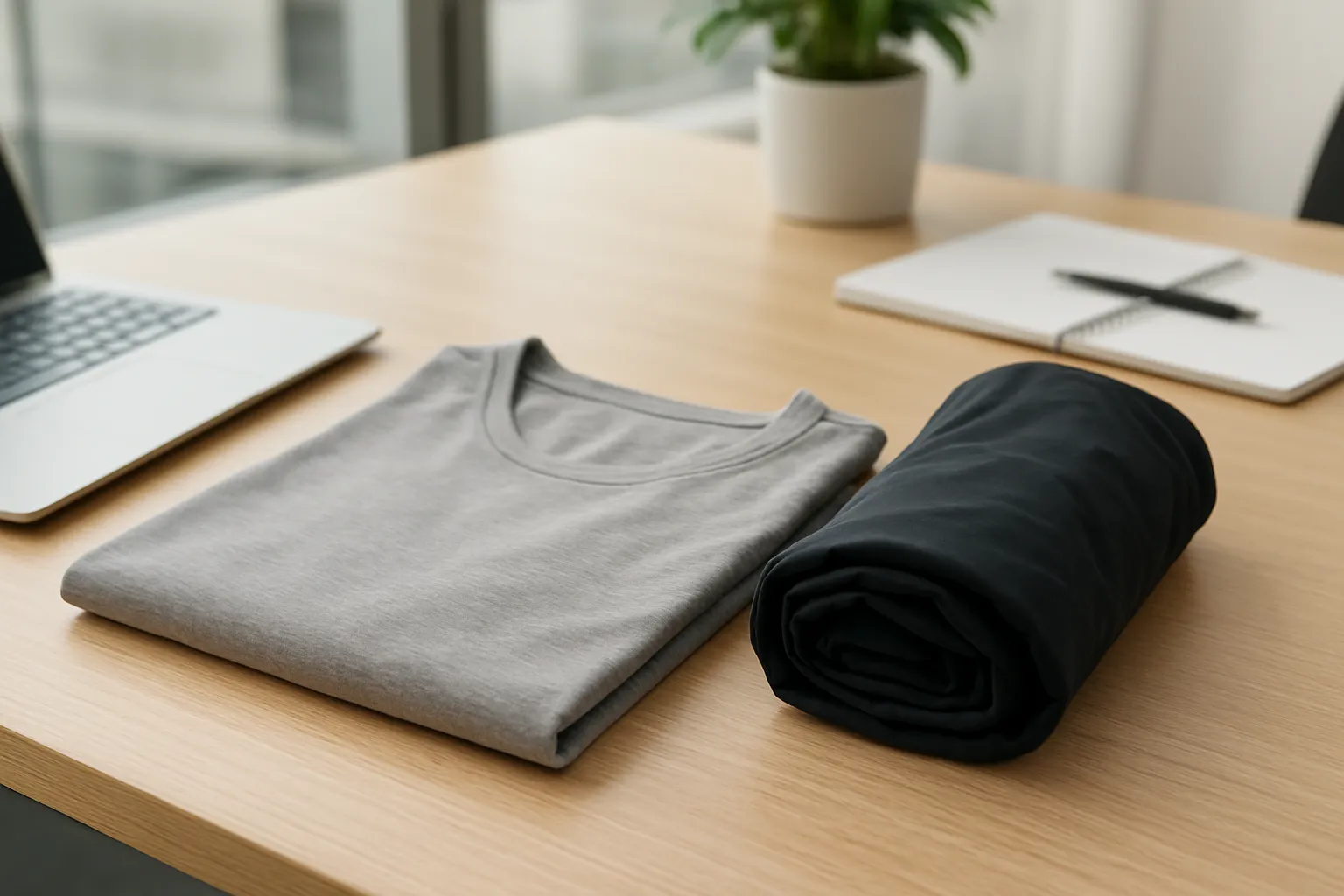
Corporate wellness programs have emerged as a vital element of contemporary workplace culture, designed to enhance employee health and overall well-being. These programs typically encompass fitness challenges, nutrition workshops, and stress management sessions, all aimed at cultivating a healthier workforce. One crucial aspect that can significantly boost the effectiveness of these initiatives is lightweight activewear. By incorporating fitness clothing that emphasizes comfort and functionality, companies can foster greater participation and support the overarching objectives of their wellness programs.
Advantages of Lightweight Activewear
Enhanced Comfort and Flexibility
Lightweight activewear is meticulously crafted with the user’s comfort in mind. The fabrics employed in these garments are typically soft, stretchy, and breathable, allowing employees to move freely during workouts or daily tasks. This flexibility is essential, as it alleviates the discomfort often linked with traditional office attire, facilitating a seamless transition from desk work to fitness activities without feeling restricted.
Improved Employee Engagement
In my experience, when employees feel comfortable in their attire, they’re more inclined to participate in wellness activities. Lightweight activewear can act as a motivator, prompting staff to join fitness classes or group exercises. By providing employees with suitable fitness clothing, organizations can cultivate a culture that values health and fitness, resulting in higher participation rates in wellness programs.
Positive Impact on Productivity
Investing in lightweight activewear can create a positive ripple effect on productivity. Comfortable employees tend to be more focused and less distracted by discomfort. Moreover, regular physical activity, made easier by appropriate clothing, has been associated with enhanced mental clarity and energy levels. By promoting physical activity through lightweight activewear, companies can significantly boost overall workplace productivity.
Specifications of Lightweight Activewear
Material Composition
Lightweight activewear is generally made from synthetic materials such as polyester, nylon, or spandex. These fabrics are designed to provide an ideal mix of stretch, comfort, and support. The lightweight nature of these materials allows for effortless movement, making them perfect for a range of physical activities.
Breathability and Moisture-Wicking Properties
One of the standout characteristics of lightweight activewear is its breathability. Many garments are engineered with moisture-wicking properties that pull sweat away from the body, keeping employees dry and comfortable during workouts. This feature is particularly advantageous in a corporate wellness setting, where employees may engage in physical activities during breaks or after hours.
Durability and Maintenance
Durability is another critical factor to consider when selecting activewear. Lightweight fabrics often resist wear and tear, making them suitable for frequent use. Additionally, many of these garments are machine washable and quick-drying, which simplifies maintenance and ensures they remain in good condition over time.
Use Cases for Lightweight Activewear
In-House Fitness Classes
Numerous corporate wellness programs feature in-house fitness classes, such as yoga or aerobics. Providing lightweight activewear for employees can significantly enhance their experience during these classes, allowing them to concentrate on their workouts rather than their clothing.
Outdoor Team-Building Activities
Outdoor team-building events are an excellent way to foster camaraderie and promote physical health. Lightweight activewear is perfect for these occasions, providing comfort and flexibility for various physical challenges, whether it’s a hike, sports day, or charity run.
Daily Office Wear
An increasing number of companies are embracing a casual dress code that permits activewear as acceptable daily office attire. Lightweight activewear can seamlessly blend fitness clothing with professional attire, enabling employees to feel comfortable throughout the day while still looking presentable.
Comparisons with Traditional Activewear
Weight and Mobility Differences
In comparison to traditional activewear, lightweight activewear provides substantial advantages in terms of weight and mobility. Traditional activewear can be bulkier and less breathable, potentially hindering movement during physical activities.
Cost-Effectiveness
Lightweight activewear can also be more cost-effective over time. As these garments are designed for durability and frequent use, companies might discover that they require fewer replacements, ultimately reducing costs.
Style and Versatility
Lightweight activewear commonly features a modern aesthetic, making it versatile enough for both fitness and casual environments. This dual-use capability can attract employees who appreciate stylish yet functional clothing.
Sourcing Lightweight Activewear
Key Suppliers and Brands
When sourcing lightweight activewear, organizations should focus on reputable suppliers and brands known for producing quality fitness clothing. Brands specializing in activewear often offer a variety of options tailored to corporate needs, ensuring businesses can find the right fit for their employees.
Customization Options
Customization is another valuable aspect of sourcing activewear. Companies can choose branded clothing featuring their logo, fostering a sense of unity and pride among employees while promoting the corporate brand.
Bulk Purchasing Considerations
Bulk purchasing can yield significant cost savings. Companies aiming to equip their employees with lightweight activewear should explore bulk order options to maximize their investment in employee wellness.
Implementation Strategies
Integrating Activewear into Wellness Programs
To seamlessly integrate lightweight activewear into wellness programs, companies should effectively communicate the benefits and encourage employees to participate in activities where activewear is appropriate.
Encouraging Employee Participation
Incentives such as fitness challenges or rewards for participation can motivate employees to wear activewear and actively engage in wellness programs.
Measuring Success and Feedback
Finally, assessing the success of these initiatives through employee feedback can yield valuable insights. Companies should regularly evaluate how lightweight activewear influences participation and the overall effectiveness of wellness programs.
FAQs about Lightweight Activewear
What Makes Activewear Lightweight?
Lightweight activewear is distinguished by its use of thin, breathable fabrics that facilitate ease of movement and comfort during physical activities.
How to Choose the Right Activewear for Employees?
When selecting activewear, consider factors such as material, fit, and intended use. It’s crucial to choose clothing that accommodates the diverse needs of employees.
Are There Any Size Inclusivity Options?
Many brands provide size-inclusive options for activewear, ensuring that all employees can find suitable clothing that fits comfortably.
Conclusion
Incorporating lightweight activewear into corporate wellness programs can yield numerous advantages, from improved comfort and employee engagement to enhanced productivity. By investing in quality fitness clothing, companies can cultivate a healthier workplace culture, ultimately leading to a more motivated and productive workforce. As wellness initiatives continue to evolve, lightweight activewear will undoubtedly play a pivotal role in encouraging employees to prioritize their health and well-being.